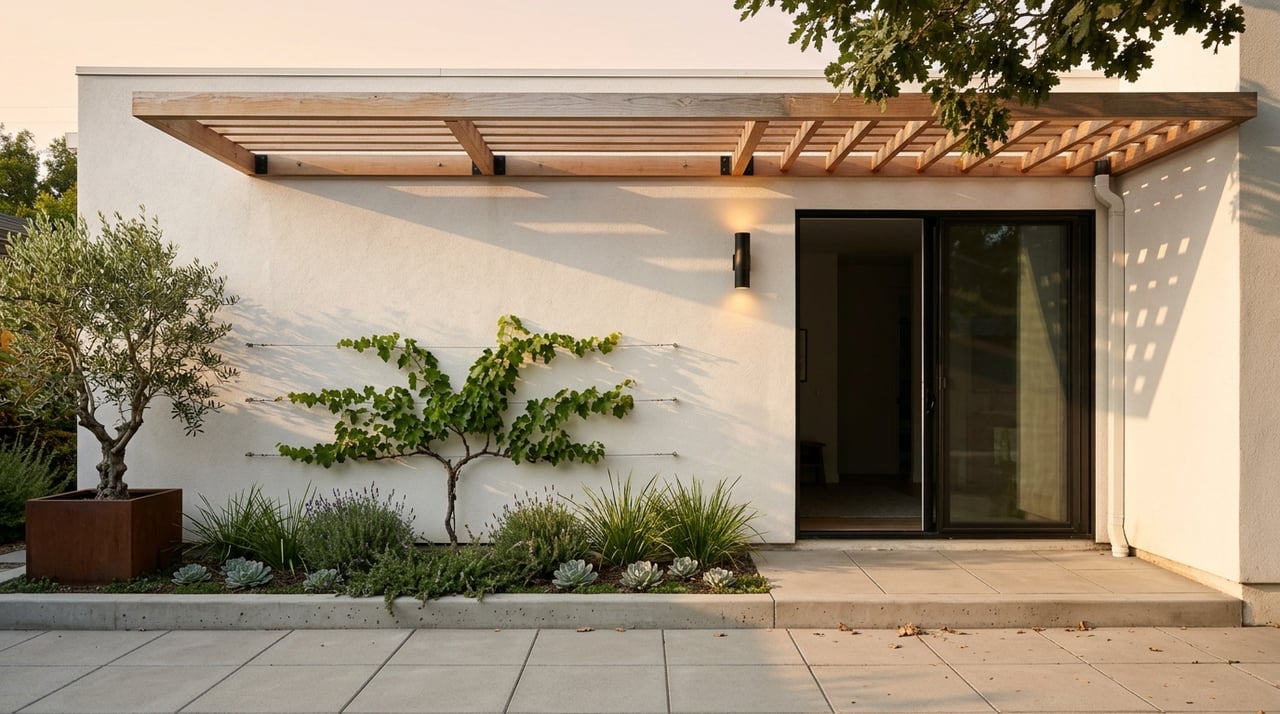
Wine Country Lifestyle In Livermore: Daily Living Guide
Looking for a place where vineyard views, downtown dinners, and practical Bay Area access can all fit into one lifestyle? Livermore stands out because it blends wine-country character with the kind of everyday convenience many buyers want. If you are thinking about moving to Livermore or simply want to understand what daily life feels like here, this guide will walk you through the city’s atmosphere, recreation, dining, commuting options, and housing patterns. Let’s dive in.
Livermore describes itself as a wine-country community with everyday-city convenience, and that phrase captures the local feel well. According to the City of Livermore’s community overview, the city was founded in 1869, is recognized as California’s oldest wine region, and sits as the easternmost city in the San Francisco Bay Area.
That mix shapes the pace of life you experience day to day. You get a setting known for vineyards, farm and ranch land, arts and culture, western heritage, and a growing downtown core, while also living in a city connected to major employment centers. The same city overview also notes the presence of Lawrence Livermore National Laboratory and Sandia National Laboratories, which adds to Livermore’s role as a science and technology hub.
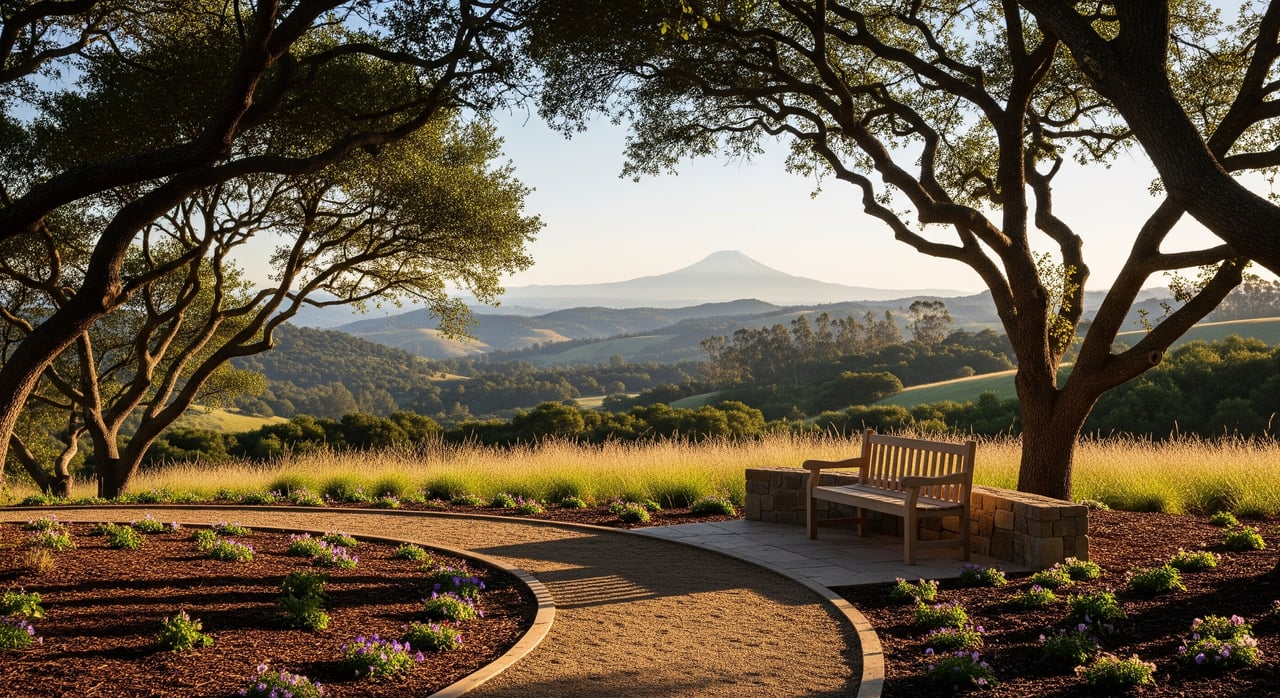
In Livermore, wine country is not just a weekend activity. It is part of the city’s identity and landscape, especially as you move through the southern areas and surrounding valley. The local environment supports both winemaking and agriculture, which helps give the city a more open and grounded feel.
The City’s Open Space and Conservation Program explains that Livermore’s climate, soils, terrain, and geography support biodiversity, ranching, and winemaking. The city also says it has acquired or helped protect more than 1,000 acres of land for agricultural conservation, scenic value, watershed protection, and recreation.
If you enjoy wine tasting, Livermore offers real variety. The Livermore Valley Wine Community says the region’s Wine Heritage District includes 44 unique wineries, with wineries open year-round and known for intimate tasting experiences. For many buyers, that means you can enjoy a wine-country setting without giving up access to the broader Bay Area.
A strong downtown can change how a city feels to live in, and that is especially true in Livermore. Whether you want a dinner out, a movie, live performance, or a walkable errand run, downtown gives you a central place to do it.
The Downtown Specific Plan describes downtown Livermore as a pedestrian-friendly commercial and entertainment district supported by office and housing uses. The city also identifies downtown as the community’s main shopping, dining, entertainment, and cultural district.
That variety matters in everyday life. Current downtown listings show options like Azotea Cocina & Cocktail Club, First Street Alehouse, and Locanda Wine Bar near destinations such as Bankhead Theater, Livermore 13 Cinema, and SPARC Theater. In practical terms, that gives you more ways to stay local for an evening out instead of leaving town for entertainment.
If you like being close to restaurants, events, and services, downtown may feel especially convenient. The city’s planning documents show ongoing support for housing in and around the core, including apartment-style living.
For example, the Downtown Livermore area includes residential development that adds for-rent apartments with one-, two-, and three-bedroom layouts. That can appeal to buyers and renters who want a more connected, lower-maintenance lifestyle near shops, dining, and transit access.
For many people, the Livermore lifestyle is as much about trails and open space as it is about wineries. You do not need to plan a major day trip just to get outside. Recreation is woven into the city’s layout.
According to LARPD trails information, Livermore has two main trails that traverse town: the South Livermore Valley Trail and the Arroyo Mocho Trail. The trail system is open year-round from 6:00 a.m. to 10:00 p.m. and supports walking, biking, jogging, and equestrian use.
That kind of access can make a real difference in your routine. If you like morning walks, evening bike rides, or weekend time outdoors, those options are built into daily life rather than being a special occasion.
When you want a bigger outdoor day, Livermore has strong regional park access nearby. Del Valle Regional Park, about 10 miles south of Livermore, offers a five-mile-long lake along with swimming, boating, hiking, horseback riding, camping, and picnicking.
Shadow Cliffs Regional Recreation Area is another nearby option for swimming, fishing, boating, picnicking, and accessible trails and facilities. For some residents, that means your weekend plans can stay simple: pack up, head out, and be on the water or trail in a relatively short drive.
If you work in the Bay Area, commute planning is usually part of your housing search. Livermore offers several ways to stay connected, which is a big reason it attracts relocating professionals and buyers who want more space without losing regional access.
The City of Livermore transportation page identifies Interstate 580 as the primary freeway, with Interstate 680 and Route 84 also used for San Jose commutes. The city also notes ACE stations near downtown and at Vasco Road, plus WHEELS service from the Livermore Transit Center to Dublin/Pleasanton BART.
For rail commuters, the current ACE schedule shows weekday service through Livermore and Vasco Road on westbound morning trips and eastbound afternoon and evening trips. Depending on where you work, that can make Livermore a practical home base if you want access to regional job centers while living in a more open setting.
One of Livermore’s biggest strengths is that the housing mix is not one-size-fits-all. Instead, you will find different residential patterns depending on whether you want walkability, newer mixed-use planning, transit convenience, or more traditional single-family space.
That flexibility can be helpful whether you are a first-time buyer, a relocating professional, or someone moving up into a larger home. Here is a simple look at how some of the city’s areas differ.
| Area | Lifestyle feel | Home types noted in city plans |
|---|---|---|
| Downtown Core | Walkable, central, close to dining and entertainment | Apartments and housing near the downtown district |
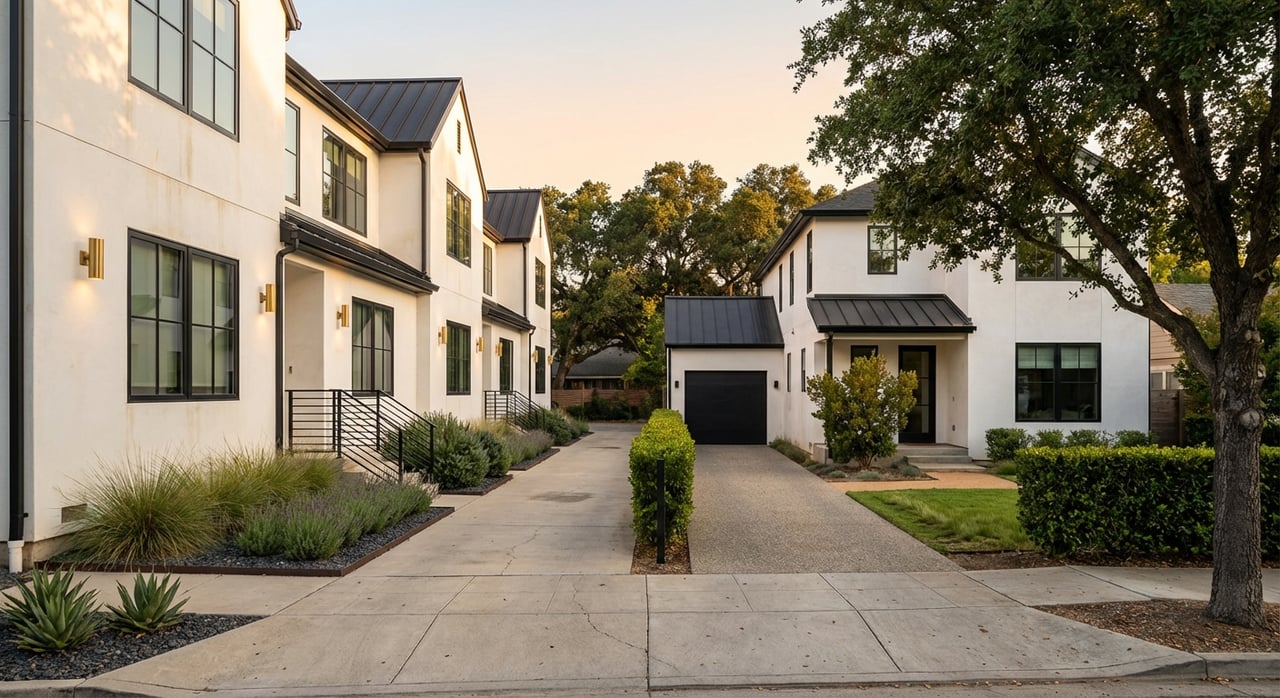
| Isabel Crossing | Mixed-use, pedestrian-oriented | For-sale townhomes, duplexes, and mid-rise rental apartments |
| Brisa / East Livermore | Connected to trails and transit | Variety of housing styles with parks, open space, and trail links |
| South Livermore Valley | Wine-country setting | Low-density detached single-family homes |
| West Livermore examples | Traditional suburban pattern | Detached single-family homes and some attached affordable units |
The downtown area is designed to support a pedestrian-friendly mix of commercial, entertainment, office, and housing uses, according to the Downtown Specific Plan. If you want a lifestyle centered on walkability and convenience, this part of Livermore may be worth a closer look.
The Isabel Crossing plan includes about 1,300 units, with a mix of for-sale townhomes, duplexes, and mid-rise rental apartments organized around a pedestrian-oriented Main Street. This type of neighborhood can appeal if you want a newer mixed-use environment with a range of housing choices.
The Brisa Neighborhood Specific Plan includes 510 dwelling units in a variety of styles, plus neighborhood parks, open space, trail networks, and direct connections to the ACE station and nearby trails. For buyers who value both mobility and outdoor access, that combination can be especially attractive.
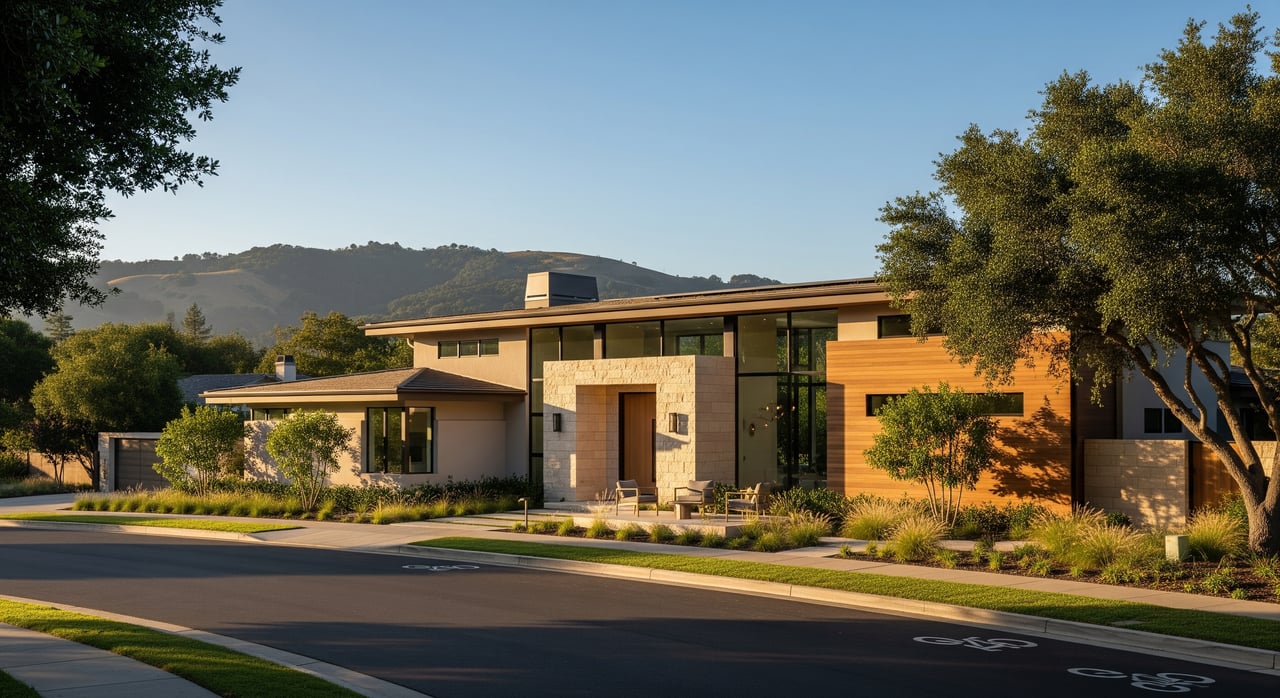
If your vision of Livermore centers on vineyards, open land, and a quieter residential setting, South Livermore may align most closely with that goal. The city’s South Livermore Valley Specific Plan describes this area as Wine Country Residential, with low-density, detached single-family homes in a wine-country and agricultural setting.
West Livermore also shows the city’s more traditional suburban side. For example, the Garaventa Hills project page describes a 44-unit subdivision with mostly detached single-family homes, which reflects the kind of neighborhood pattern many buyers already know and want.
Livermore can make sense for several types of buyers because the city offers multiple lifestyle paths in one place. If you want wine-country surroundings, you can find that. If you need a practical commute setup, there are transit and freeway options. If you want housing variety, the city offers everything from apartment living near downtown to detached homes in lower-density areas.
You may find Livermore especially appealing if you are looking for:
Choosing where to live is about more than square footage or price point. It is also about what your week feels like when you wake up, commute, meet friends, exercise, or plan a Saturday afternoon. Livermore stands out because it brings together several priorities that often feel hard to combine.
You can have a city with established infrastructure and regional connections, while still enjoying vineyards, open space, and a strong sense of place. If that balance is what you are after, Livermore deserves a serious look.
If you are thinking about buying or selling in Livermore, Nancy Renton can help you compare neighborhoods, understand local housing options, and build a strategy that fits your goals.
Stay up to date on the latest real estate trends.

With a strong track record of successful sales and happy clients, Nancy’s commitment to excellence ensures top-tier service and outstanding outcomes.